
Japan Travel Guide: From Tokyo to Kyoto, One eSIM for the Whole Trip
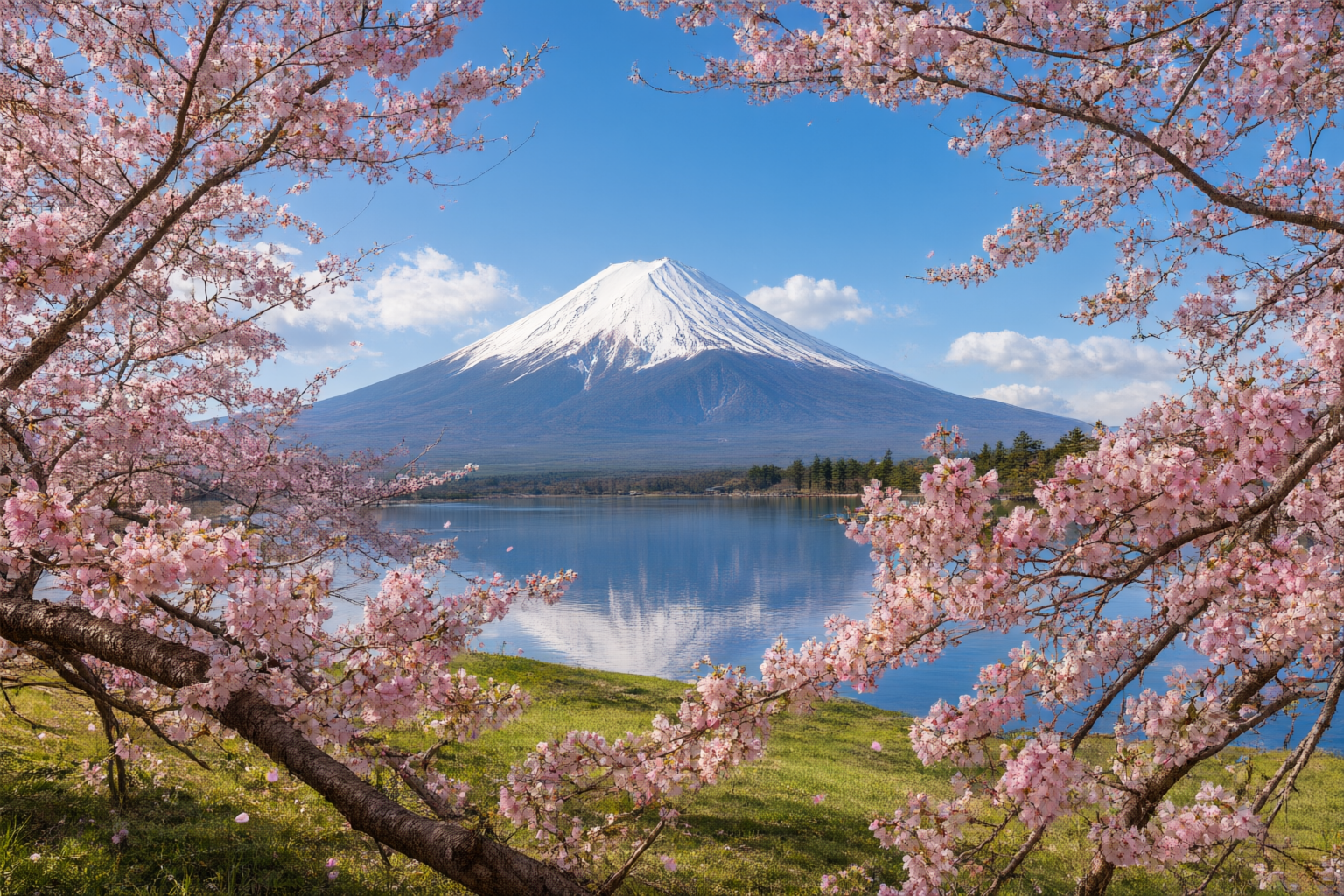
Why Japan
Japan is one of the most rewarding destinations in East Asia: the energy of Tokyo, the old-world charm of Kyoto, the food culture of Osaka, the snow of Hokkaido and the deer of Nara. There is something for every season and every kind of traveler, backed by excellent transport, meticulous service and a superb safety record.
For the modern traveler, staying connected from the moment you land is a must — maps, payments, translation and social sharing all depend on it. This guide gives you a practical itinerary and shows you how to set up a Japan eSIM before you even leave home.
1. Before You Go
Visa
A China Mainland passport needs a Japanese tourist visa (single or multiple entry), usually arranged through a travel agency or agent. Japan does not offer visa-on-arrival for most visitors, so apply well in advance.
Money & Payment
- Local currency: Japanese Yen (JPY / ¥)
- Cash: Japan is still quite cash-based. Small restaurants, ramen shops, vending machines, temples and shrines expect cash — carry plenty
- Cards & mobile: big cities and chain stores accept credit cards and mobile payments (WeChat Pay / Alipay are common in drugstores and chain restaurants), but small shops remain cash-only
Language
Japanese is the main language, but English and Chinese signage is common in tourist areas, stations and malls, and some staff speak basic Chinese. A translation app helps a lot.
Getting Around
- Between cities: Shinkansen (fast but pricey), limited express / local trains, or overnight buses (budget-friendly)
- Within cities: subway / rail (Tokyo, Osaka), buses; buy an IC card (Suica / Pasmo / ICOCA) for tap-and-go travel
- Planning: Google Maps or a transit app (Hyperdia / Navitime) is very reliable
Internet: Set It Up Before You Fly
Free Wi-Fi exists in parks and some stations, but always-on connectivity while moving is the real need. Buy a Japan eSIM at home, activate the QR code before you depart, and you are online the second you land — no lining up for a local SIM, no swapping cards. Recommendations below.
2. Must-Visit Cities
1. Tokyo — Bustling Metropolis, Modern Japan
Shibuya Crossing
The world’s busiest pedestrian crossing. When the light turns green, crowds surge across in every direction — spectacular at night under the neon. A defining Tokyo image.
Senso-ji Temple & Nakamise-dori
Tokyo’s oldest temple. The giant Kaminarimon lantern and the Nakamise shopping street are essential: a taste of Edo-era charm.
Ginza / Shinjuku / Akihabara
Ginza for luxury shopping, Shinjuku for nightlife, and Akihabara for anime and electronics — each shows a different face of Tokyo.

2. Kyoto — The Elegance of an Ancient Capital
Fushimi Inari Shrine (Senbon Torii)
A tunnel of thousands of vermilion torii gates winding up the mountain — Kyoto’s most iconic sight, at its most beautiful with few people in the early morning.
Kiyomizu-dera / Arashiyama Bamboo Grove / Kinkaku-ji
Kiyomizu-dera overlooks the city, the bamboo grove in Arashiyama is serene, and the Golden Pavilion sparkles — a trio of must-sees.

3. Osaka — Food and Shopping Capital
Dotonbori / Shinsaibashi
Osaka’s liveliest district. Giant neon signs (like the Glico Running Man), takoyaki and okonomiyaki create a food paradise that is busiest after dark.
Universal Studios Japan
A world-famous theme park; the Super Nintendo World area is hugely popular with families and younger travelers.

4. Nara — An Ancient City of Deer
Nara Park
Hundreds of wild sika deer roam freely on the lawns before Todai-ji temple. Feeding and photographing them is a uniquely Nara experience, set against the grand temple — very soothing.

5. Hokkaido — A Northern Land of Four Seasons
Winter Snow / Summer Flowers
In winter, Sapporo and Otaru are blanketed in snow, famous for snow festivals, skiing and hot springs; in summer, the lavender fields of Furano are romantic.
Cities & Nature
From Sapporo in the west to the Hakodate night view and the wilds of eastern Hokkaido, plan 4–7 days for a fulfilling trip.

3. Must-Try Japanese Food
- Sushi & Sashimi: at the Tsukiji fish market or kaiten (conveyor belt) sushi — top-grade freshness
- Ramen: shoyu in Tokyo, miso in Hokkaido, tonkotsu in Hakata — each region has its own style
- Tempura / Okonomiyaki / Takoyaki: authentic street flavors
- Wagyu / Unagi-don / Donburi: satisfying mains
- Desserts & Matcha: matcha sweets, wagashi and convenience-store limited editions are all treats

4. Suggested Itineraries
3 Days (Tokyo highlights)
D1 Shibuya/Asakusa → D2 Meiji Shrine & Ginza → D3 Tokyo Disney or Odaiba
5 Days (Kanto + Kansai classic)
D1–D2 Tokyo → D3 Shinkansen to Osaka → D4 Kyoto → D5 Nara day trip, depart
7 Days (in-depth)
D1–D3 Tokyo → D4 Kyoto → D5 Nara/Osaka → D6–D7 Hokkaido or the wider Kansai
5. Japan eSIM Recommended (Buy Now, Connect on Landing)
Your whole trip runs on phone maps, translation and social sharing, so connectivity is a real need. Here is the OnlyLinkCard Japan eSIM:
| Plan | Data | Validity | Price | Best for |
|---|---|---|---|---|
| 2GB 1-Day Japan eSIM | 2GB high-speed 5G | 1 day | €2.12 | Transit, quick city stopover |
Why OnlyLinkCard Japan eSIM:
- Scan and go: your exclusive QR code is emailed instantly after purchase — no physical SIM, no card swap, online the moment you land
- 5G full speed: connects to major Japanese carriers; stable in cities and scenic areas
- Hotspot supported: share your connection with family or travel mates
- Keep your home number: your original SIM stays active, so home calls and texts still come through
- Flexible: most Japan trips are 3–7 days, so buy multiple daily plans to fit yours without waste
How to Use (3 steps)
- After ordering, find your eSIM QR code in your inbox (delivered instantly)
- On your phone go to Settings → Cellular/Mobile Data → Add eSIM and scan
- Land in Japan, enable data roaming, and you are online right away
- Sockets: Japan uses flat two-pin (Type A/B), 100V. Most two-pin devices work directly; bring an adapter for three-pin gear
- Time zone: Japan is GMT+9, 1 hour ahead of Beijing time
- Seasons: spring (Mar–May, cherry blossoms) and autumn (Oct–Nov, autumn leaves) are best; summers are hot and humid, winters cold in Hokkaido
- Rubbish: few public bins — carry a small bag for your trash
- Etiquette: keep phones silent in public, don’t take calls on trains; in onsen bathe in the nude after washing
- Tipping: Japan has no tipping culture — no need to leave anything extra
6. Practical Tips
*Time to go. Stay connected the moment you land.*